Acupuncture / TCM
The needle that weaves balance
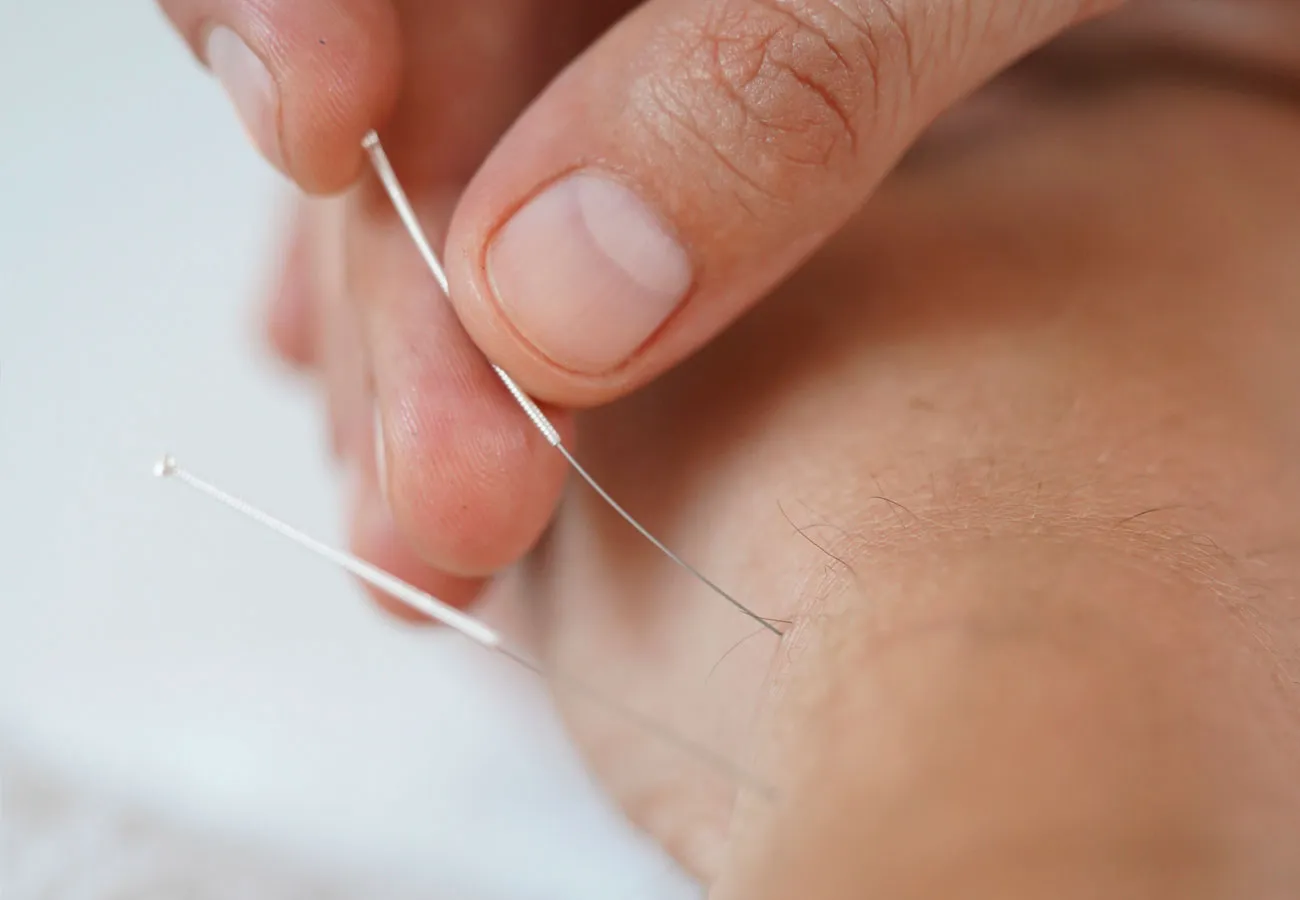
Acupuncture is a technique of Traditional Chinese Medicine (TCM) that consists of inserting fine needles into precise points in order to rebalance Qi and stimulate the body’s natural self-healing capacity. It acts on the nervous, immune, and endocrine systems, promoting global well-being.
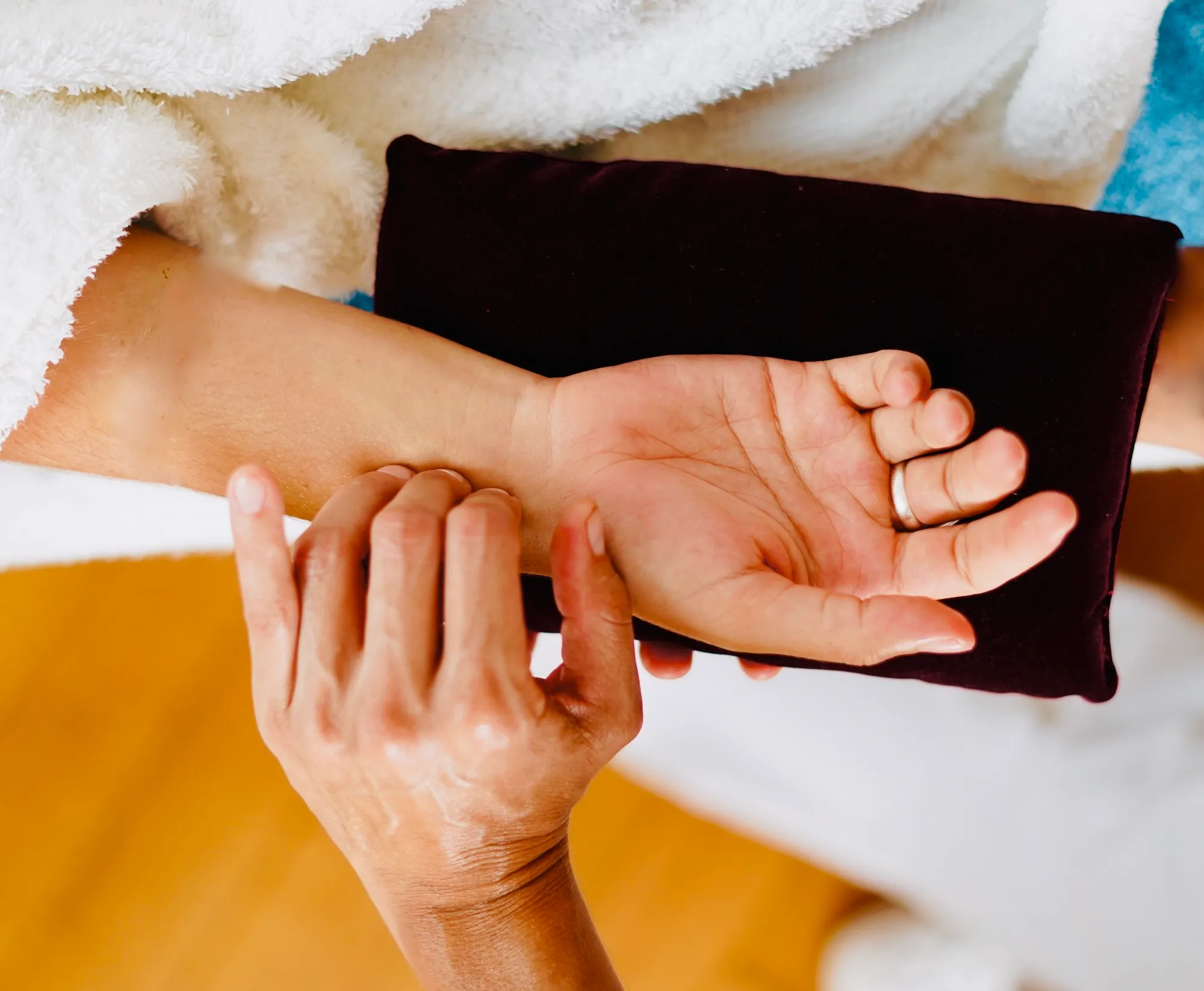
TCM is an ancient system founded on a holistic vision of the body and mind, based on Qi, Yin-Yang, the Five Elements, and the meridians. It includes several essential disciplines: acupuncture, moxibustion, cupping, phytotherapy, Tui Na massage, energetic dietetics, Qi Gong, and Tai Chi, as well as traditional diagnostic methods (pulse, tongue, observation). In the practice, these approaches are also used to rebalance energy and support each patient in a personalised way.

Scientific evidence
Studies show its effectiveness, particularly for chronic pain, migraines, and stress, with effects linked to the release of endorphins and the regulation of the nervous system.
Main benefits
With a history of over 5,000 years and originating from the Huangdi Neijing, acupuncture endures thanks to its holistic, preventive approach that complements modern medicine. It is recognised by the World Health Organization and widely used throughout the world.